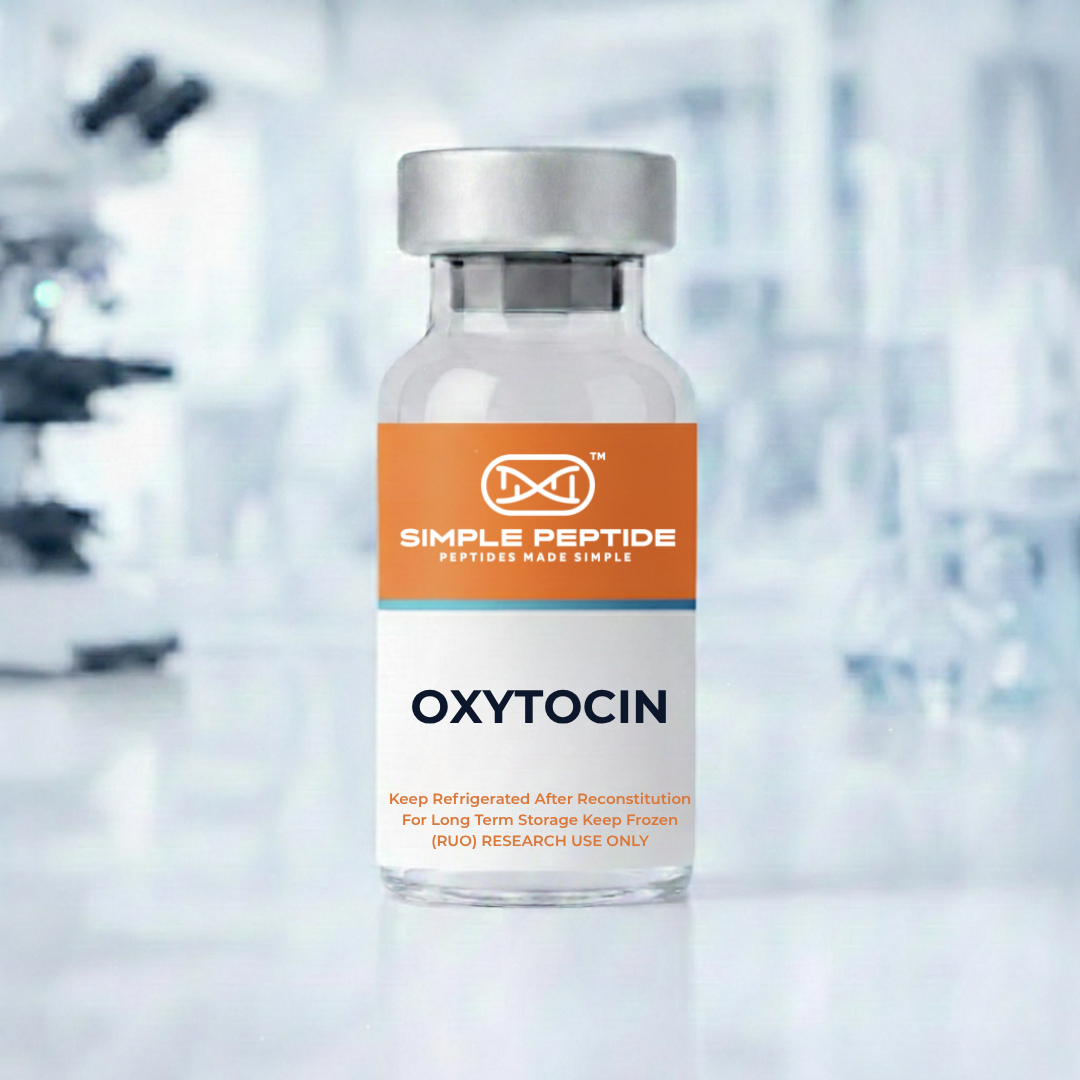
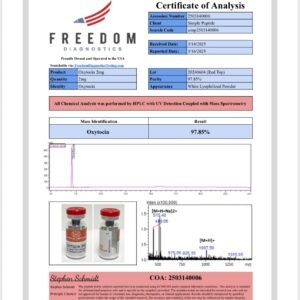
Oxytocin
Price range: $35.00 through $45.00
Oxytocin is a research peptide supplied for controlled laboratory studies. Researchers use this compound in structured research focused on peptide signaling and interaction behavior.
- Peptide studied in laboratory research focused on signaling pathways
- Used in controlled research models examining peptide interactions
- Suitable for structured and repeatable research workflows
Oxytocin Research Peptide
Oxytocin is a peptide supplied for controlled laboratory investigation. Researchers study this compound in structured research focused on peptide signaling, receptor interaction models, and molecular communication pathways within experimental systems. Its defined peptide structure allows laboratories to design repeatable studies under standardized research conditions.
Because Oxytocin functions as a signaling peptide in biological systems, researchers use it to explore how peptide based communication occurs in controlled research environments. This approach helps research teams examine interaction patterns and signaling behavior while maintaining precise control over experimental variables. As a result, laboratories can generate consistent and reliable data across multiple study phases.
In laboratory settings, scientists handle Oxytocin using standard peptide preparation and safety procedures. The peptide format supports accurate measurement and controlled application during experiments. Therefore, research teams can maintain stable testing conditions and focus on observation, documentation, and data analysis.
Researchers value Oxytocin for its clear structure and compatibility with structured research workflows. Its consistent composition helps reduce variation during experimentation and supports comparison across studies involving related peptide sequences. In addition, its predictable handling characteristics make it suitable for long term laboratory projects that require dependable research materials.
Ongoing scientific research continues to include Oxytocin in peptide focused laboratory studies. Its defined sequence, stable behavior, and suitability for controlled research models make it a useful tool for advanced experimental work.
Important Notice
Oxytocin is provided strictly for research use only. This product is not intended for human or animal use, clinical applications, diagnostic procedures, or consumption of any kind. All research must be conducted by qualified professionals in appropriate laboratory environments and in compliance with applicable regulations and guidelines.
| Size |
Oxytocin 2MG, Oxytocin 10MG |
|---|
Resources
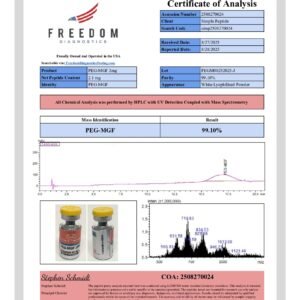
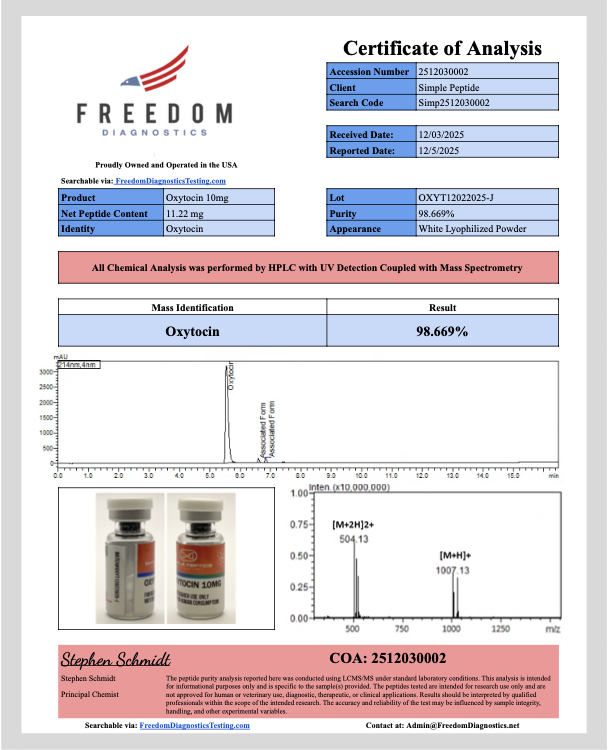
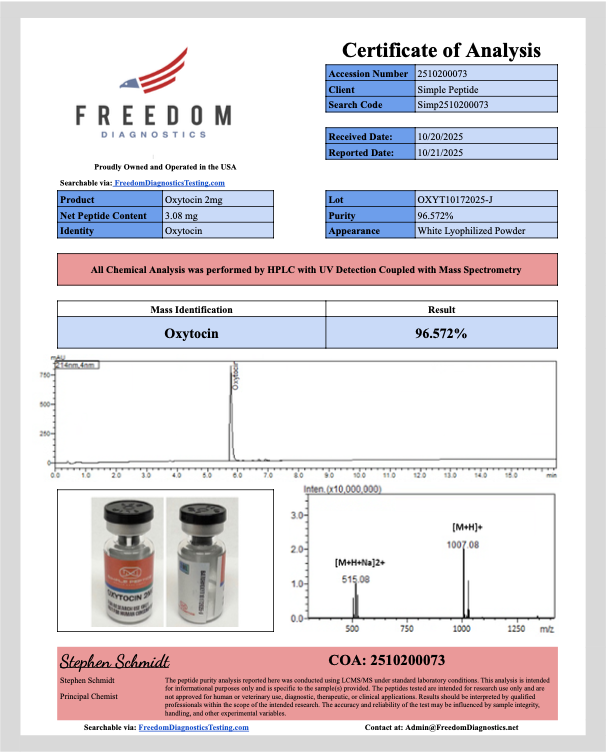
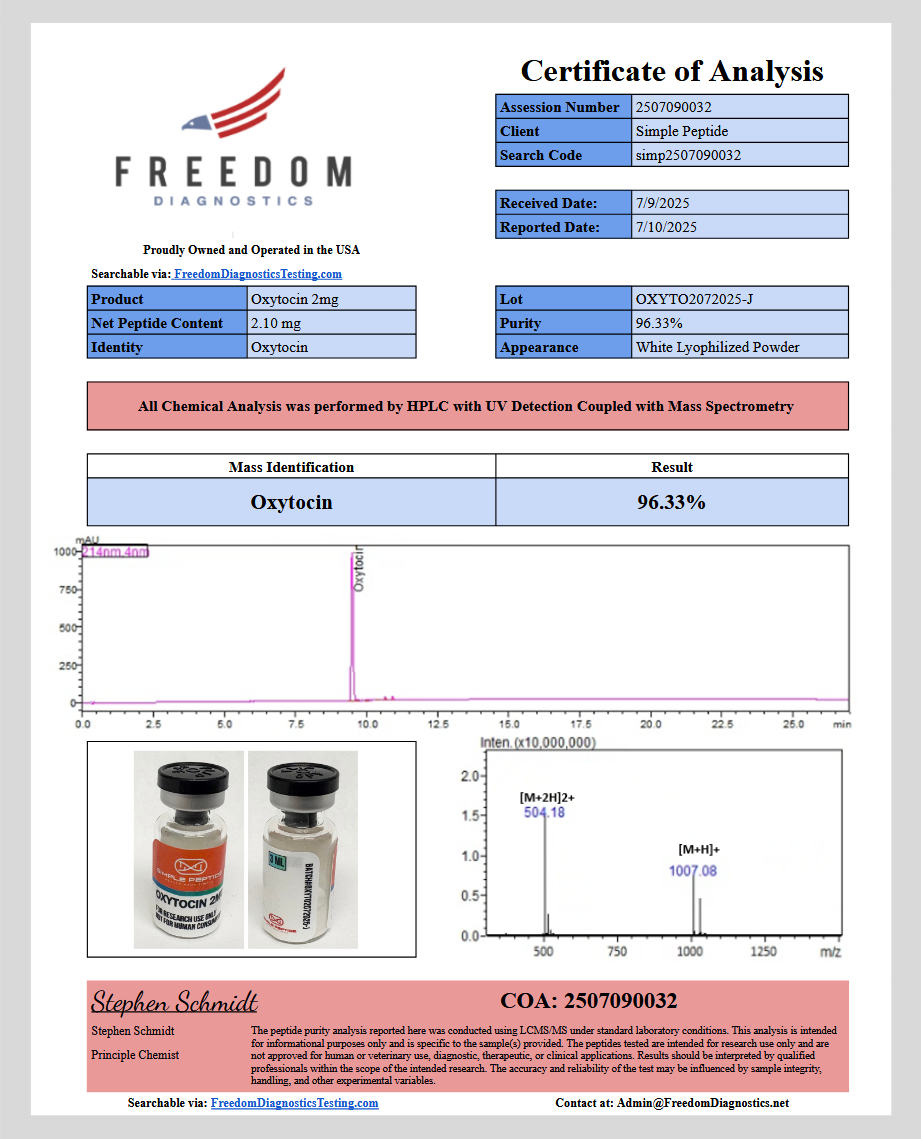
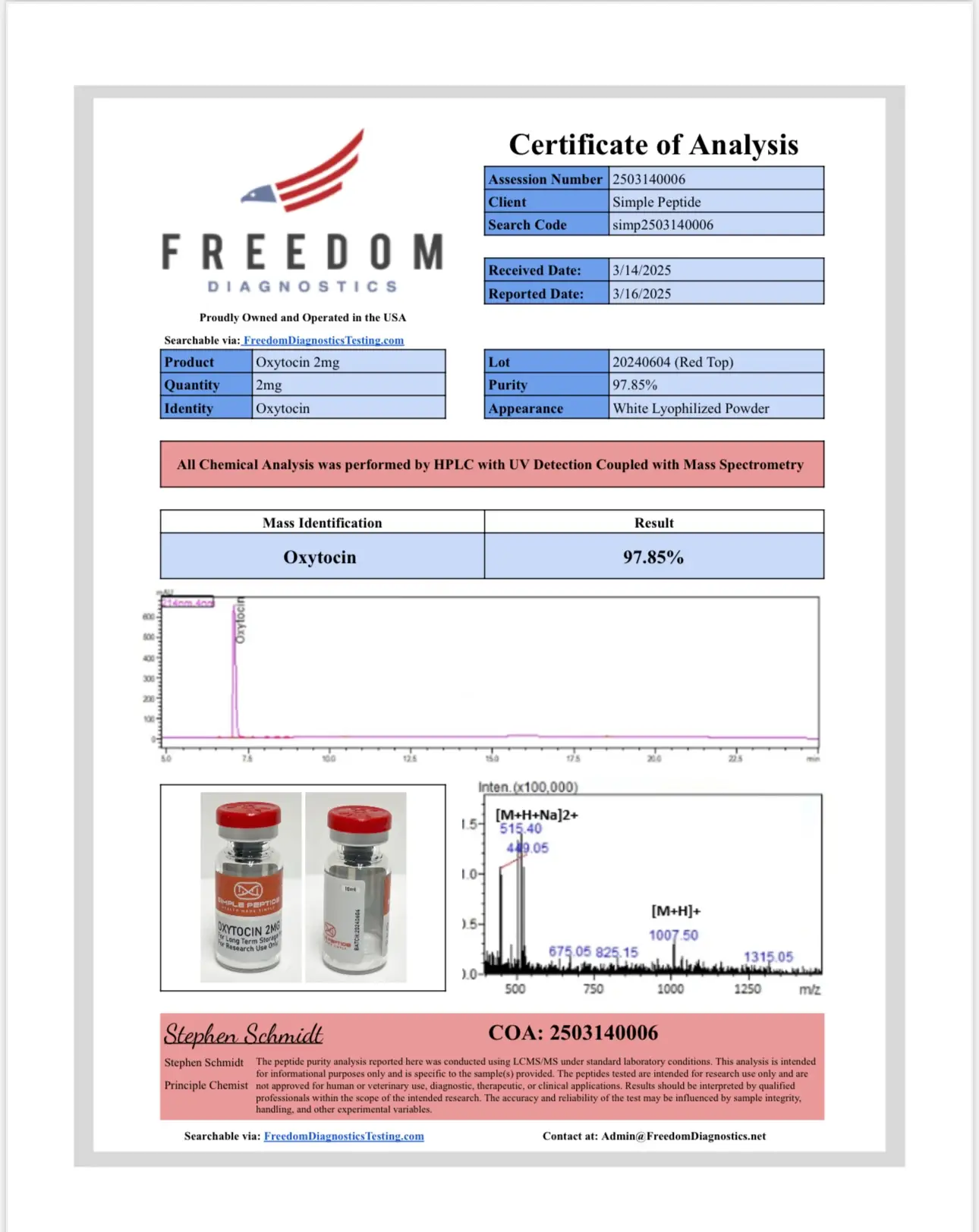
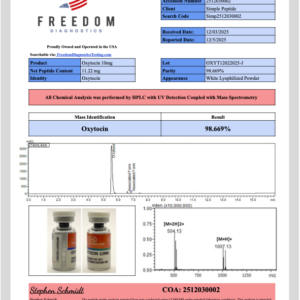
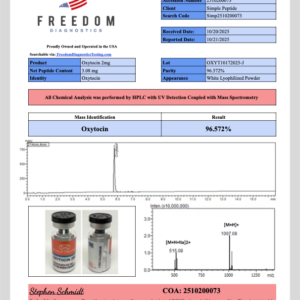
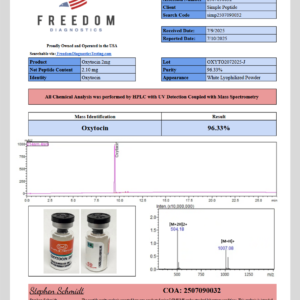
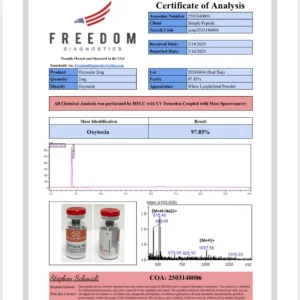
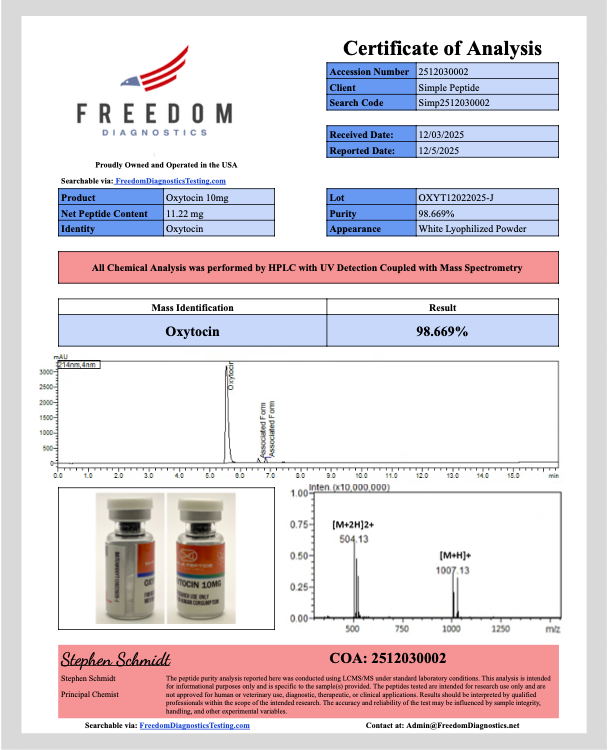 Lot Number: OXYYT12022025-J Purity: 98.7% Date: January 15, 2026 View COA Archive
Peptide Research Overview

Peptides are short chains of amino acids studied for their role in cellular signaling and molecular interactions. In research settings, they are commonly used to explore biological pathways and structure–function relationships.
Across scientific disciplines, peptide research supports advances in biochemistry and molecular biology. Their precision and adaptability make peptides essential tools in modern laboratory research.
Key Benefits of Peptides in Research

-
Support precise investigation of cellular signaling pathways
-
Enable targeted structure–function research at the molecular level
-
Offer high specificity for controlled experimental design
-
Adapt easily across a wide range of research applications
-
Aid in studying protein interactions and biological responses
-
Allow consistent and repeatable laboratory testing
-
Integrate well with modern analytical and research methods
-
Serve as foundational tools in biochemical and molecular research
Advancing Scientific Research with Peptides

Peptides continue to serve as essential components in modern research due to their flexibility, precision, and well-defined structures. In laboratory settings, researchers rely on peptides to examine biological mechanisms, evaluate molecular interactions, and refine experimental models with a high level of control. Their scalable nature and compatibility with advanced analytical techniques make peptides valuable across both foundational studies and ongoing research development, supporting consistent, reproducible outcomes in controlled scientific environments.
Oxytocin is a small peptide hormone and neuropeptide composed of nine amino acids. It is produced in the hypothalamus and released into the circulation by the posterior pituitary gland. It also acts within the brain on specific receptors to influence neural signaling.
Oxytocin is synthesized in neurons located in the supraoptic and paraventricular nuclei of the hypothalamus. After synthesis, it is transported to the posterior pituitary for release into the bloodstream and also acts within the central nervous system.
Oxytocin acts via the oxytocin receptor (OTR), a G-protein coupled receptor expressed in many tissues, including the brain, heart, kidney, and reproductive organs. Receptor activation triggers intracellular signaling cascades that influence cellular responses in target tissues.
Research indicates that oxytocin is involved in multiple physiologic processes, including smooth muscle contractility, neuroendocrine communication, and social behavior-related signaling. In reproductive biology research, it is linked with uterine activity and mammary gland responses.
Oxytocin signaling has been observed to interact with neural circuits linked to social behavior, attachment, stress regulation, and emotion-related pathways. It is also being studied for its influence on appetite and energy balance networks in laboratory systems.
Oxytocin continues to attract scientific study because it provides insights into neuropeptide signaling, hormone-receptor interactions, and neural network modulation. Its multiple receptor interactions and widespread receptor distribution make it a useful molecule for studying integrated endocrine and neural pathways.
Research Use Only – Legal Disclaimer
All Simple Peptide products labeled as Research Use Only (RUO) are intended strictly for laboratory, investigational, and scientific research purposes. These materials are not approved by the FDA and are not intended for human or veterinary use, clinical applications, diagnostic procedures, or therapeutic treatment of any kind.
By purchasing or using RUO materials, you acknowledge that they will be handled only within an appropriate research environment by qualified personnel who understand the risks, limitations, and regulatory requirements associated with experimental compounds. Products must not be administered to humans or animals, offered as therapeutic agents, or represented as safe or effective for any medical purpose.
Use of these materials is entirely at your own risk. Simple Peptide assumes no liability for misuse, unsafe handling, improper application, or any regulatory or compliance issues arising from their use.
Frequently bought together: PEG-MGF 2MG, Phosphate-Buffered Saline (PBS) 30mL, Pinealon 10MG
| Option |
|---|
Related products
Aminos and Lipotropics